Complex product designs require more than a strong concept. They need engineering expertise that can turn ideas into practical, manufacturable products. When a design includes tight tolerances, multiple interacting components, specialized materials, or demanding performance expectations, the development process becomes more challenging. Every decision affects not only how the product functions, but also how efficiently and consistently it can be produced.
That is where engineering support becomes essential. Skilled engineering teams help fix smaller issues before they become larger setbacks. For companies developing more complex product designs, engineering expertise helps create a smoother path from concept to production. Let’s take a deeper look at how that’s possible.
What Makes a Product Design Complex?
In most cases, a product design crosses the complexity threshold when it starts to involve more variables and tighter controls, leaving less room for error. In some cases, complexity comes from the number of parts that must fit and function together with precision. In others, it comes from performance requirements that demand exact measurements, material consistency, or long-term durability.
Complexity can also come from the manufacturing side. A product may require specialized fabrication methods, controlled assembly processes, or close adherence to industry standards and regulatory requirements. Even if the design itself seems manageable, production can become difficult when small variations affect the final result.
Many complex products must balance multiple priorities at once. They need to perform reliably, meet cost targets, scale for production, and maintain consistent quality. Improving one of those areas can sometimes create challenges in another. Engineering expertise helps teams evaluate those tradeoffs and make informed decisions throughout development.
Why Engineering Expertise Matters Early in Development
Engineering involvement is especially valuable during the early stages of product development. At that point, teams still have the flexibility to adjust the design, review assumptions, and solve problems before they become expensive. Waiting until later in the process often leads to avoidable redesigns, delays, and added production costs.
Early engineering review helps answer critical questions about feasibility:
- Can the design be manufactured efficiently?
- Are the tolerances realistic for the chosen process?
- Will the materials perform as expected under actual use conditions?
Addressing these concerns upfront allows teams to move forward with greater confidence and fewer surprises.
This early support also improves collaboration and decision-making. Product development often involves balancing design goals with production realities. Engineering teams provide practical insight that helps guide those decisions, making it easier to align innovation with manufacturability. The earlier those conversations happen, the more efficient the development process becomes.
Design for Manufacturability Improves Outcomes
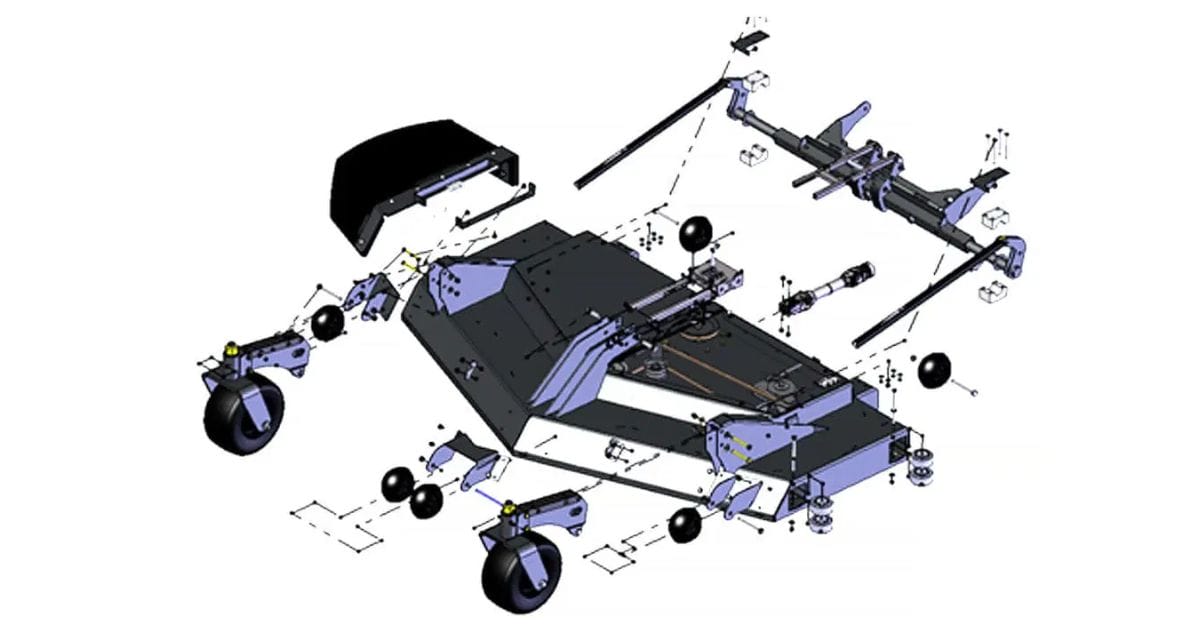
One of the most important areas where engineering expertise adds value to complex product design is through the manufacturing process. A product may work well in theory, but if it is difficult to build, inspect, or scale, it will create problems in production. Design for manufacturability focuses on refining the product to be produced more efficiently and consistently, without compromising performance.
This process often includes reviewing part geometry, tolerances, material selection, and assembly methods. Engineers look for ways to reduce unnecessary complexity, improve repeatability, and support smoother production workflows. These refinements can prevent issues that might otherwise appear during assembly or quality inspection.
For example, a part might include features that are difficult to machine consistently or dimensions that create unnecessary production challenges. Engineering teams can recommend changes that preserve the function of the part while making it easier to produce at scale. Those adjustments help reduce waste, improve throughput, and support more reliable outcomes.
In complex product development, teams should never treat manufacturability as an afterthought. It has to be built into the design process. Engineering expertise makes that possible by connecting design intent to the realities of production from the beginning.
Cross-Functional Collaboration Strengthens Complex Projects
Complex product designs benefit from strong collaboration across teams. Engineering alone doesn’t solve every challenge. Manufacturing, quality, and operations teams all bring valuable knowledge that shapes how a product moves from concept to production. When these groups work together early, projects are more likely to stay aligned and avoid costly surprises.
Engineering teams may focus on function, tolerances, and technical requirements, while manufacturing teams understand process capabilities and production limitations. Quality teams add another essential layer by evaluating inspection methods, consistency requirements, and compliance considerations. When these perspectives come together, the product is more likely to succeed in real-world production.
This cross-functional approach helps identify potential issues earlier. A design that looks good in development may be difficult to assemble efficiently. A part that meets technical requirements may still create inspection challenges or variation risks. Collaboration allows teams to uncover those issues before they affect schedule, cost, or product performance.
It also improves communication throughout the project. Instead of handing work from one group to another, teams can solve problems together with shared visibility into goals and constraints. For complex products, that kind of coordination strengthens both the design process and the final result.
Engineering Support Helps Solve Performance and Reliability Challenges
Performance and reliability are often major concerns in complex product designs. Products may need to withstand repeated use, operate under stress, maintain precise function, or perform in demanding environments. Engineering expertise is essential for evaluating these challenges and refining the design to meet them.
This work begins with a close analysis of how the product functions as a system. Engineers review how parts interact, how materials respond under load, and how variation can affect long-term performance. In many complex products, small inconsistencies can lead to increased wear or loss of precision over time.
Testing and validation also play an important role. Prototypes and performance evaluations can reveal issues that are not obvious in initial drawings or models. These findings allow teams to make targeted improvements before moving into full production. That reduces risk and supports a stronger, more dependable product.
Reliability matters not only for end-user satisfaction but also for long-term cost control and brand reputation. Products that perform consistently create fewer downstream issues and require less corrective action after launch. Engineering support helps build that reliability into the design instead of leaving it to chance.
The Value of a Partner With Engineering Capabilities
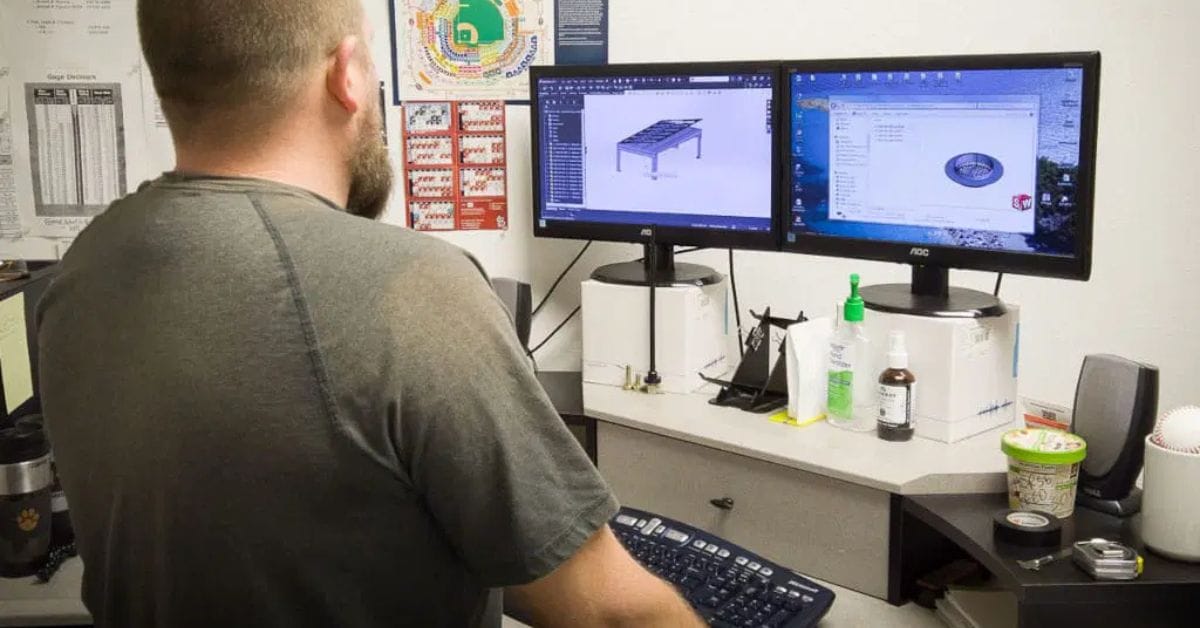
For companies developing complex products, working with a manufacturing partner that offers engineering capabilities can create a major advantage. Instead of separating design and production into disconnected stages, businesses can benefit from a more integrated process. That connection improves communication, speeds up problem-solving, and helps projects move forward with fewer disruptions.
A partner that can offer advanced engineering services for manufacturing will be more likely to provide insight during design review, support manufacturability improvements, and help identify technical concerns before production begins. This is especially important for products with specialized requirements, intricate assemblies, or demanding performance standards. A knowledgeable partner can help teams make better decisions earlier, when changes are easier and less costly.
This type of support also helps maintain continuity from development through production. When engineering and manufacturing teams are aligned, there is less risk that design intent will be lost or misinterpreted on the production floor. That consistency improves execution and supports better quality outcomes.
Engineering expertise is not just a technical resource. It is a practical advantage that helps companies navigate complexity with greater control. For businesses bringing sophisticated products to market, the right engineering support can make development more efficient, production more reliable, and outcomes more predictable.