Deciding how to manufacture your products is one of the most pivotal strategic decisions a business leader will face. Fortunately, there are only two options to choose from. You can either go with contract manufacturing or in-house production. Depending on which one you choose, it’ll fundamentally alter your cost structure, quality control mechanisms, and supply chain agility.
Because of this, making this type of decision will require a granular understanding of your organization’s core competencies and long-term operational goals. In order to help you make the right decision for your business, we’re here to cover the key differences between contract manufacturing and in-house production.
What is Contract Manufacturing?
Contract manufacturing involves outsourcing the production of goods to a third-party vendor. In this model, the hiring firm (the original equipment manufacturer or OEM) provides the design, specifications, and sometimes the raw materials, while the contract manufacturer (CM) provides the facility, labor, and equipment to produce the finished goods.
Industries that heavily leverage this model include electronics, pharmaceuticals, automotive components, and consumer packaged goods (CPG). These sectors often require specialized, high-capital machinery that a single brand may find cost-prohibitive to purchase and maintain.
Key Benefits of Contract Manufacturing
The primary driver for outsourcing is often capital efficiency. By leveraging a CM’s existing infrastructure, companies avoid the massive capital expenditure required to build a factory and purchase all the equipment needed to produce products. This shifts costs from fixed to variable, freeing up capital for R&D and marketing.
Furthermore, contract manufacturers offer immediate scalability. If demand spikes, a CM with multiple production lines can ramp up output far faster than an in-house team could expand a facility. Additionally, partnering with an established CM provides access to specialized manufacturing expertise and advanced process technologies that might be unavailable internally.
Potential Drawbacks of Contract Manufacturing
However, outsourcing relinquishes direct control over daily operations. The distance between the design team and the production floor can create communication latencies, potentially delaying prototype iterations or quality adjustments. Dependency on a third party also introduces supply chain risks; if the CM faces labor strikes or financial instability, your product availability suffers.
Intellectual property leakage is another serious consideration. Sharing proprietary designs and process knowledge with a vendor who may also serve your competitors requires robust non-disclosure agreements and stringent legal safeguards.

What is In-House Production?
In-house production, or vertical integration, occurs when a company manufactures its products within its own facilities using its own employees and equipment. This model is common among businesses that require strict secrecy, highly specialized proprietary processes, or artisanal-quality standards—such as luxury watchmakers, certain aerospace component manufacturers, or specialized chemical producers.
Key Benefits of In-House Production
The paramount advantage here is total oversight. You control every variable, from the sourcing of raw substrate to the final quality assurance check. This proximity allows for rapid problem-solving; engineers can walk onto the factory floor to diagnose a tolerance issue immediately.
Moreover, keeping production internal safeguards IP. Trade secrets remain within the company walls, minimizing the risk of counterfeiting or design theft. Quality assurance is also streamlined, as the production team answers directly to internal management rather than a third-party client services representative.
Potential Drawbacks of In-House Production
Conversely, establishing an internal manufacturing capability requires substantial upfront investment. The costs of real estate, machinery, regulatory compliance, and skilled labor recruitment are high. These fixed costs remain on the balance sheet regardless of production volume, which can drain liquidity during market downturns.
Resource diversion is another concern. Managing a factory complex demands executive bandwidth that your company might otherwise focus on product innovation or market expansion.
Key Factors to Consider When Choosing
If you want to make sure you make the right decision here, simply knowing the differences between contract manufacturing and in-house production isn’t enough. In order to select the optimal model, you’ll need to perform a rigorous analysis of several critical operational vectors. We’ve compiled a list of the most important ones to consider during this evaluation.
Cost Implications
Conducting a total cost of ownership analysis is essential here. In-house production entails high CAPEX (machinery, facilities) and high fixed OPEX (salaries, utilities). Contract manufacturing generally offers a lower barrier to entry with higher per-unit variable costs. Calculate the break-even volume where the economies of scale justify bringing production in-house.
Scalability
Evaluate your product’s demand volatility. If your sales forecast shows high variability or seasonality, the flexibility of a contract manufacturer allows you to scale up or down without the burden of idle internal capacity. Conversely, if demand is stable and high volume, in-house production may offer better unit economics over time.
Control and Quality Management
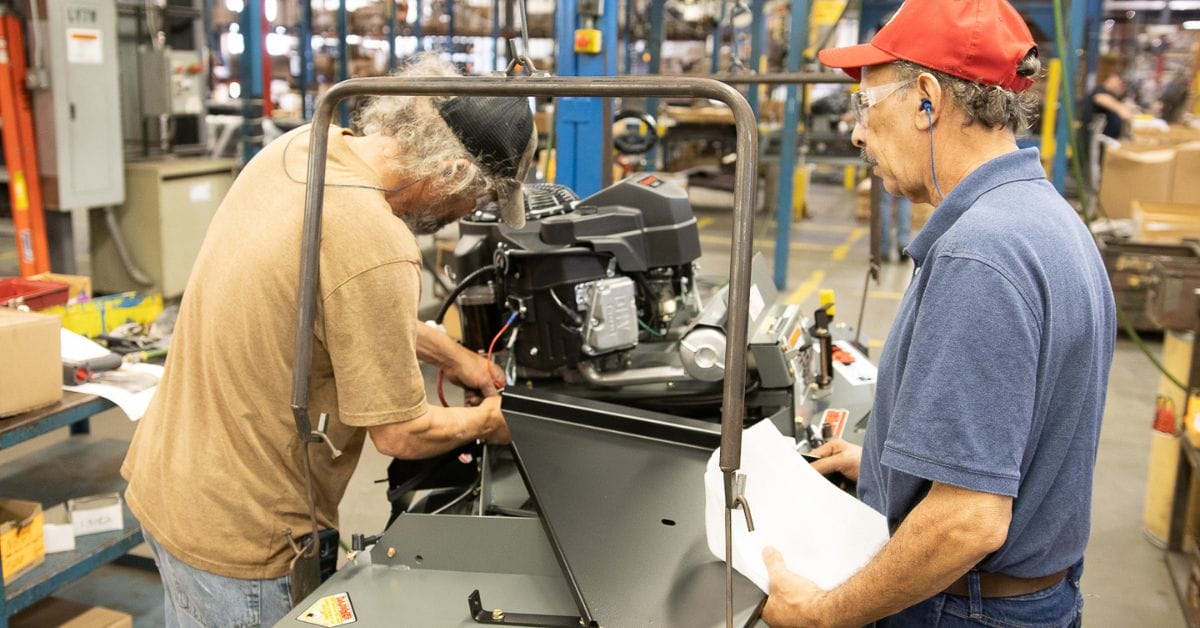
Determine the level of oversight required. If your product relies on complex, novel assembly techniques that require constant engineering supervision, in-house production is likely superior. However, if the manufacturing process is standardized (e.g., PCB assembly or plastic injection molding), a certified CM with ISO 9001 accreditation can reliably meet quality standards.
Expertise and Resources
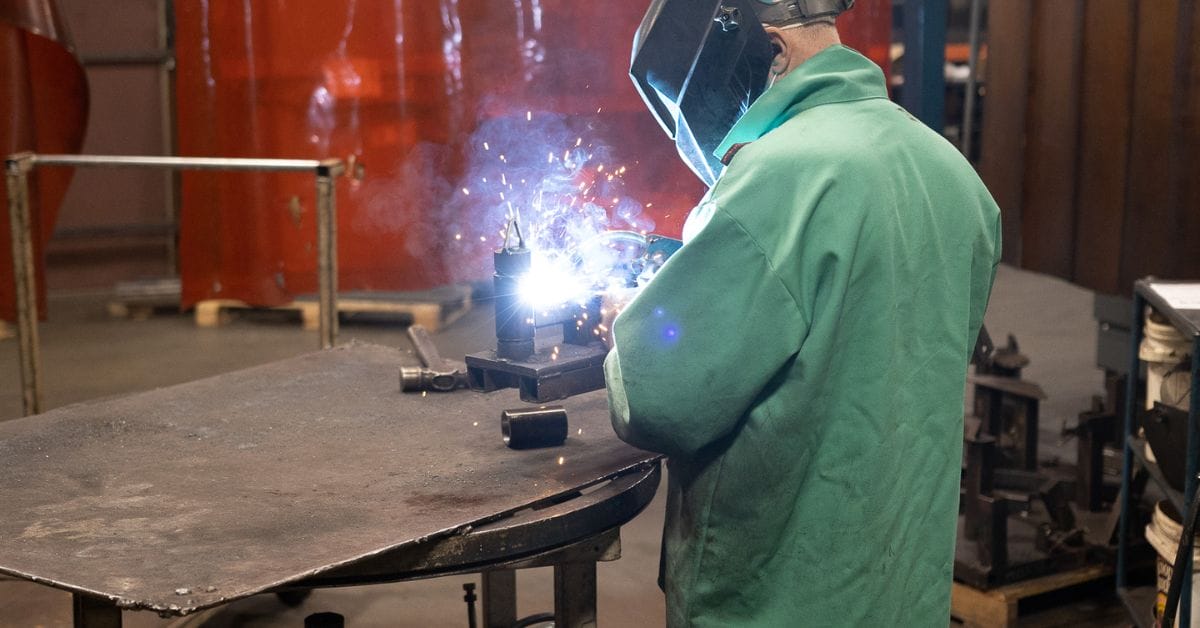
Assess your internal capabilities realistically. Manufacturing is a distinct discipline from product design. If your team lacks expertise in supply chain logistics, plant maintenance, or process engineering, leveraging a CM’s established competencies is a strategic imperative. Access to skilled labor—welders, machinists, quality technicians—is also a constraint to consider, particularly in tight labor markets.
Time to Market
Speed is a competitive advantage. Contract manufacturers often have established supply chains and tooling ready to go, potentially reducing lead times for new product introductions. Building internal capacity takes time—permitting, construction, equipment installation, and training can delay launch by months or years.
Risk Management
Finally, analyze the risk profile. In-house production concentrates risk; a fire or equipment failure at your single facility halts revenue. Contract manufacturing distributes operational risk but introduces partner risk. Diversifying your manufacturing strategy—perhaps a hybrid model where you make core components in-house and outsource assembly—may offer the most resilient solution, but it isn’t for everyone.
What To Do If You Decide on Contract Manufacturing
Once you’ve weighed your options and come to a decision, your next step will be to take action. Choosing to produce products in-house will require a lot of work on your end, but if you decide on contract manufacturing, your job just got a lot easier. That’s because Swisher is here to handle all of your production needs.
Our team is a highly trusted contract manufacturer in the USA, and we’re always looking to take on more work. Just let us know what kind of production services you’re looking for, and we’ll take the steps needed to get it done.