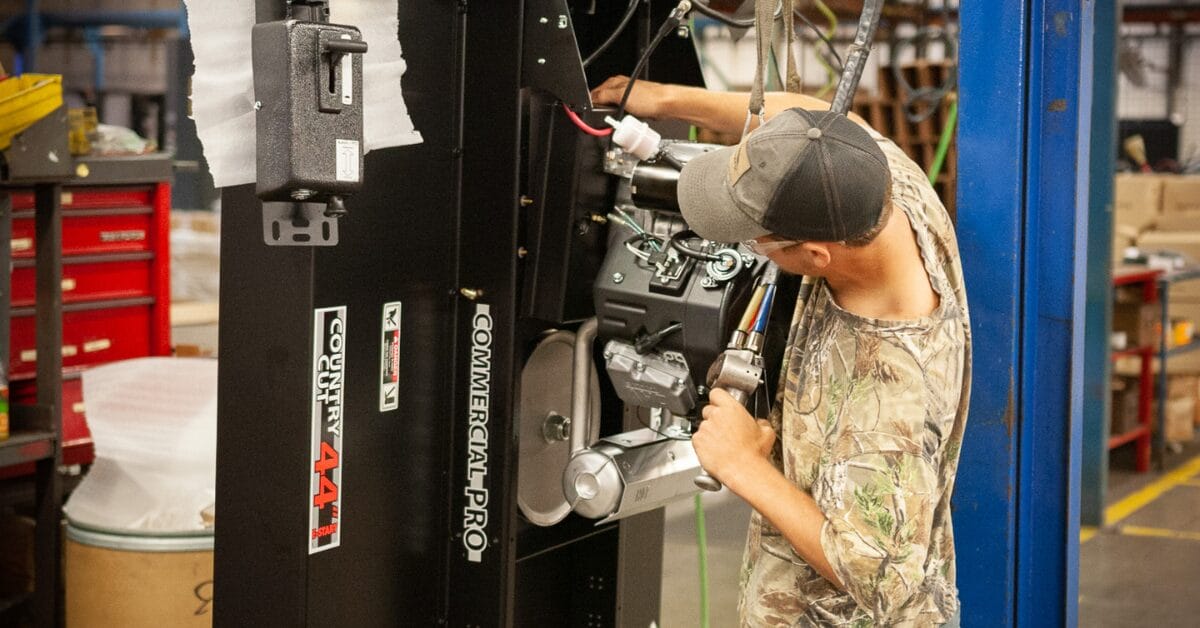
For those unfamiliar with it, contract manufacturing involves outsourcing production processes to a specialized third-party firm. This strategic partnership allows businesses to leverage external expertise and infrastructure, which is particularly vital for maintaining cost efficiency in today’s competitive markets.
By working with a contract manufacturer, companies can access a range of cost-saving benefits without sacrificing quality or control. This post will detail nine specific ways that partnering with a contract manufacturer can significantly reduce your overall production costs.
1. Economies of Scale
One of the most significant financial advantages of working with a contract manufacturer is gaining access to economies of scale. These specialized firms serve multiple clients, which allows them to purchase raw materials and components in bulk quantities. This volume purchasing power results in lower per-unit costs for materials, a saving that is then passed on to their clients.
Additionally, contract manufacturers optimize the use of shared resources, including production lines, equipment, and skilled labor, across various projects. This operational model ensures that resources are consistently utilized, minimizing idle time and spreading fixed costs over a larger production volume.
For example, a small business needing a specific metal alloy would pay a premium for a small order. In contrast, a contract manufacturer that orders large quantities of the same alloy for multiple clients can secure a much lower price per pound, directly reducing the cost of the finished product for the small business.
2. Reduced Capital Investment
Establishing an in-house manufacturing facility requires a substantial capital investment. The costs associated with purchasing or leasing a building, acquiring specialized machinery, and setting up production lines can be prohibitive, especially for startups and small to medium-sized enterprises.
Contract manufacturing eliminates the need for this large upfront expenditure. By outsourcing production, your company can avoid the financial burden of investing in expensive equipment, technology, and facility infrastructure. This frees up significant capital, allowing you to allocate financial resources to other critical areas of your business, such as R&D, marketing campaigns, sales team expansion, or software upgrades.
3. Lower Labor Costs
Managing a manufacturing workforce involves considerable expense beyond just salaries. These costs include recruitment, hiring, comprehensive training, benefits packages, payroll taxes, and ongoing human resources management.
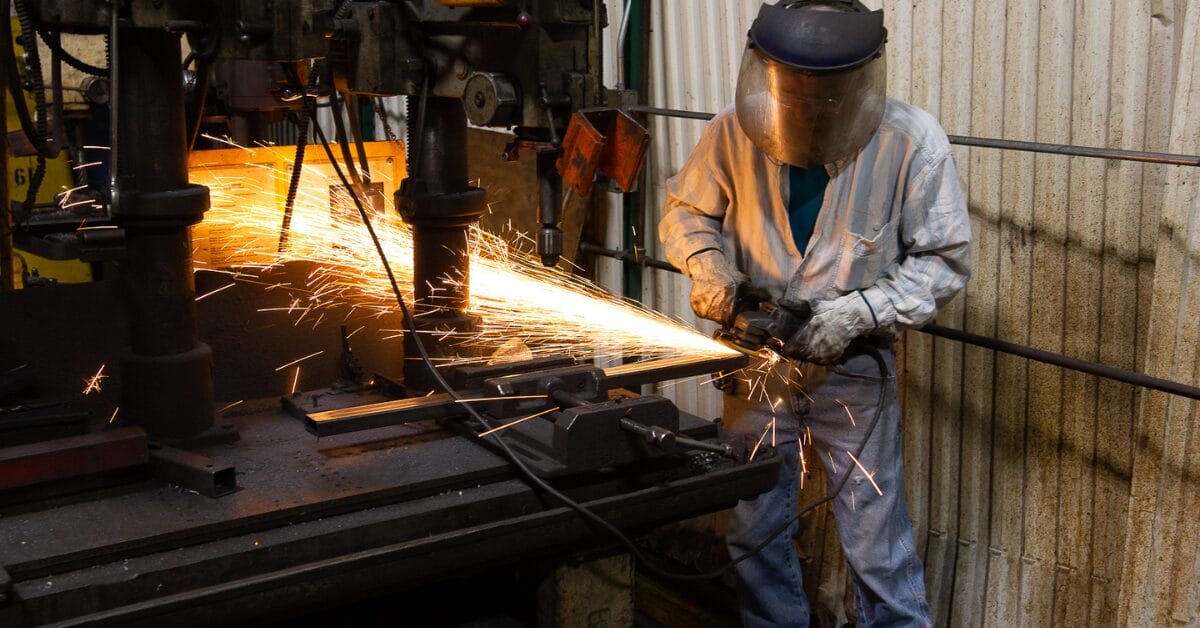
Partnering with a contract manufacturer effectively outsources these labor-related responsibilities and their associated costs. Contract manufacturers maintain a skilled, pre-trained workforce, optimized for efficiency. They handle all aspects of labor management, from hiring and training to benefits administration.
That means companies avoid the direct costs of employing welders, machine operators, and assembly line workers, along with the indirect overhead of HR and payroll staff needed to support them. This arrangement can lead to substantial savings and a more predictable labor cost structure.
4. Reduced Overhead Costs
To add to that, operating a manufacturing facility also involves a wide range of overhead expenses. These include utilities like electricity and water, building maintenance and repairs, property taxes, insurance, and the administrative costs associated with managing the facility.
When you outsource production to a contract manufacturer, these overhead costs are essentially eliminated from your balance sheet. The contract manufacturer absorbs these expenses as part of their own operational costs, which are distributed across their entire client base. A direct comparison often reveals significant savings; the fixed monthly cost of a contract manufacturing agreement is typically far lower than the variable and substantial expenses of running a dedicated production site.
5. Streamlined Operations
Contract manufacturers are specialists in production. Their core business is to refine and optimize manufacturing processes to achieve maximum efficiency. They bring years of experience and established best practices, which translate into highly streamlined operations for their clients.
This level of expertise leads to tangible benefits, including reduced material waste through precision manufacturing, shorter production cycle times, and a lower incidence of errors and defects. An efficient production process directly translates into cost savings. In some instances, a contract manufacturer’s refined assembly line protocol might reduce the time it takes to assemble a product by 15%, lowering labor costs and increasing the number of units produced per day.
6. Risk Mitigation
Since manufacturing is inherently risky, another way contract manufacturing can cut production costs is by removing the cost of failure. Potential issues that could arise from doing things in-house include equipment breakdowns, supply chain disruptions, regulatory compliance challenges, and workplace safety incidents. These are all things your company would bear the full financial and operational responsibility for.
By outsourcing, you transfer a significant portion of this risk to the contract manufacturer. These firms are responsible for maintaining their equipment, managing supplier relationships, and ensuring compliance with industry regulations.
For example, if a critical piece of machinery fails, the contract manufacturer is responsible for the repairs and any resulting production delays, insulating your business from the unexpected costs and downtime. This risk mitigation provides financial stability and peace of mind.
7. Flexibility and Scalability
Market demand is rarely static. It fluctuates based on seasonality, economic conditions, and competitive pressures. Maintaining an in-house production facility that can adapt to these changes is a significant challenge. You risk either overproduction and excess inventory during downturns or an inability to meet demand during peak periods.
Contract manufacturing services provide the flexibility and scalability necessary to navigate these fluctuations effectively. You can easily scale production volume up or down based on real-time market demand without the financial risk associated with underutilized capacity or the need for sudden, costly expansions.
For example, a company experiencing a seasonal surge in orders can simply increase its production order with the contract manufacturer. This will help them avoid the expense and logistical complexity of hiring temporary staff or running overtime shifts in-house.
8. Access to Advanced Technology
Staying competitive often requires leveraging the latest manufacturing technology, such as automation, AI-driven quality control, and precision manufacturing tools. For many companies, the cost of acquiring and maintaining this cutting-edge equipment is a major barrier. Contract manufacturers are likely already equipped with this technology, enabling them to enhance their own efficiency and service offerings.
By partnering with them, your business gains the benefits of this technology without the direct financial investment. You can utilize state-of-the-art machinery and processes, such as advanced laser cutters or robotic assembly systems, that would otherwise be out of reach. This access improves product quality, consistency, and production speed, all of which contribute to lower overall costs.
9. Faster Time-to-Market
In many industries, speed is a critical competitive advantage. The faster you can bring a product from design to market, the sooner you can begin generating revenue and capturing market share. In-house production can involve lengthy setup times and process development, all of which can lead to potential delays.
Contract manufacturers have established processes and supply chains, enabling them to significantly expedite production timelines. Plus, their experience enables them to transition seamlessly from final design to full-scale production. This acceleration not only allows for quicker product launches but also reduces costs associated with holding inventory. Faster turnaround means less capital is tied up in raw materials and finished goods waiting to be sold.